
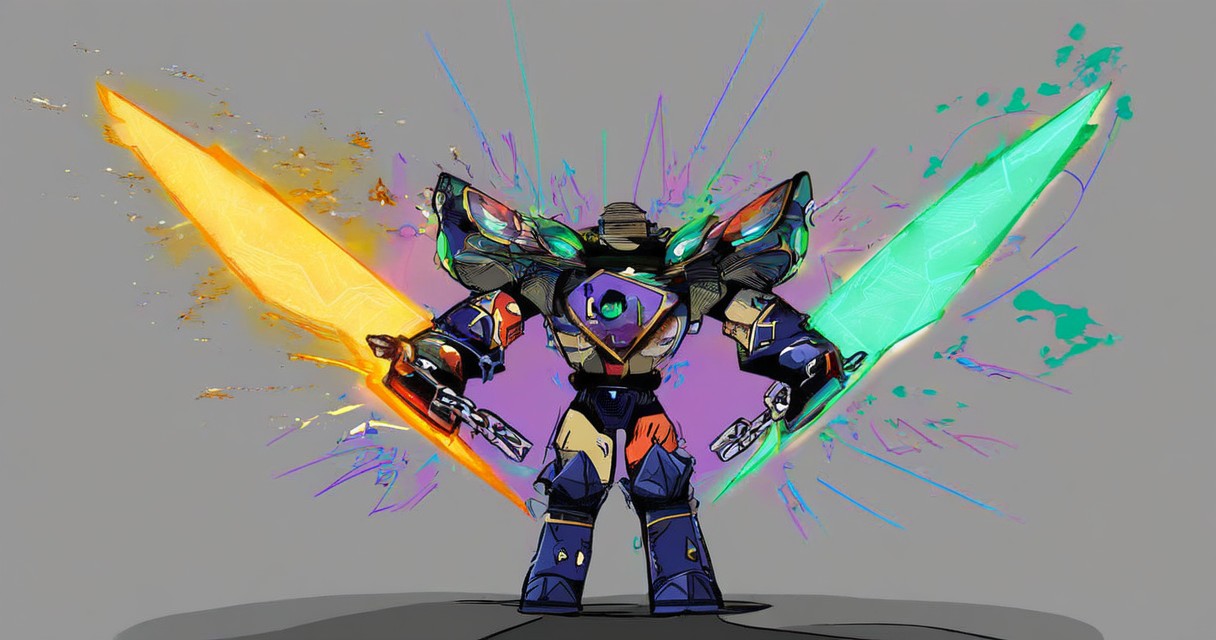
A Smaller Arena, Sharper Decisions
Most hero shooters chase scale: bigger teams, busier maps, more chaos to cut through. Fracture Zone goes the other way. SynchroDynamic Studio built its mobile hero shooter around a deliberately compact format — 3v3, role-locked — and the studio is upfront that this is a design choice, not a limitation. The result is a game where every player matters and every fight stays legible on a phone screen.
Why 3v3 Instead of Bigger Teams
Shrinking the roster does more than trim the headcount. According to SynchroDynamic’s own design article, smaller teams sharpen the game rather than adding noise. Four ideas drive the format:
- Every player matters individually. With only three on a side, there is nowhere to hide — your impact is always felt.
- Fights stay understandable. You can actually read a teamfight instead of drowning in a wall of effects.
- Clutch moments feel earned. A single great play can swing a round, and you know it was yours.
- Mobile sessions stay fast. Tight teams mean tight matches that fit a quick break.
That last point matters for a mobile-first title. Fracture Zone is built for fast objectives and short sessions, and a 3v3 frame keeps the pace honest.
Role-Locking: Competitive by Design
The second pillar is the part players argue about most: you cannot stack your team however you like. Fracture Zone locks three roles so a squad can’t collapse into an all-damage comp where nobody holds space or keeps the team alive. The three roles each carry a one-line mandate:
- Damage — “End fights.” Creates pressure and converts openings into kills.
- Control — “Own space.” Shapes the battlefield, blocks lanes, and forces favorable engagements.
- Support — “Keep the team online.” Sustains allies and enables the push.
Lock those three together and a match becomes a conversation between distinct jobs rather than a race to out-damage the other side.
What Locking Actually Unlocks
SynchroDynamic frames role-locking as freedom, not restriction — and the logic holds up. When everyone knows the team has space control and sustain covered, the payoffs stack up:
- Cleaner teamwork, because roles don’t overlap or leave gaps.
- Meaningful positioning, since space genuinely belongs to someone.
- Better pacing, with fights that build and resolve instead of sprawling.
- Far less select-phase frustration — no more arguing over who finally caves and plays support.
That final benefit is easy to underrate. Anyone who has watched a lobby melt down over comp before the match even starts knows how much friction the lock quietly removes.
How the Launch Heroes Embody the Roles
The debut roster of three maps cleanly onto the three jobs. Kyrr, the Assault Commander, is the Damage pick — a mobile, angle-cutting threat whose dash-jet repositioning turns picks into full team collapses. Ashfall, the Ember Juggernaut, fills Control with shield-forward durability and molten-zone pressure that denies ground. Eloya, the Sanctuary Support, keeps the team online with mobile healing, overshields, and disruption utility. One hero per role at launch makes the philosophy unmistakable.
The Takeaway
Role-locked 3v3 is a bet that constraints create better games. By keeping teams small and roles fixed, Fracture Zone trades sprawling chaos for clarity — fights you can read, decisions that count, and matches that respect your time. It launched as v1.3.4.1 on January 26, 2026, and is available now on the Google Play Store and the Apple App Store. If the design philosophy intrigues you, the best way to test it is a few rounds of your own.
Leave a Reply
You must be logged in to post a comment.