
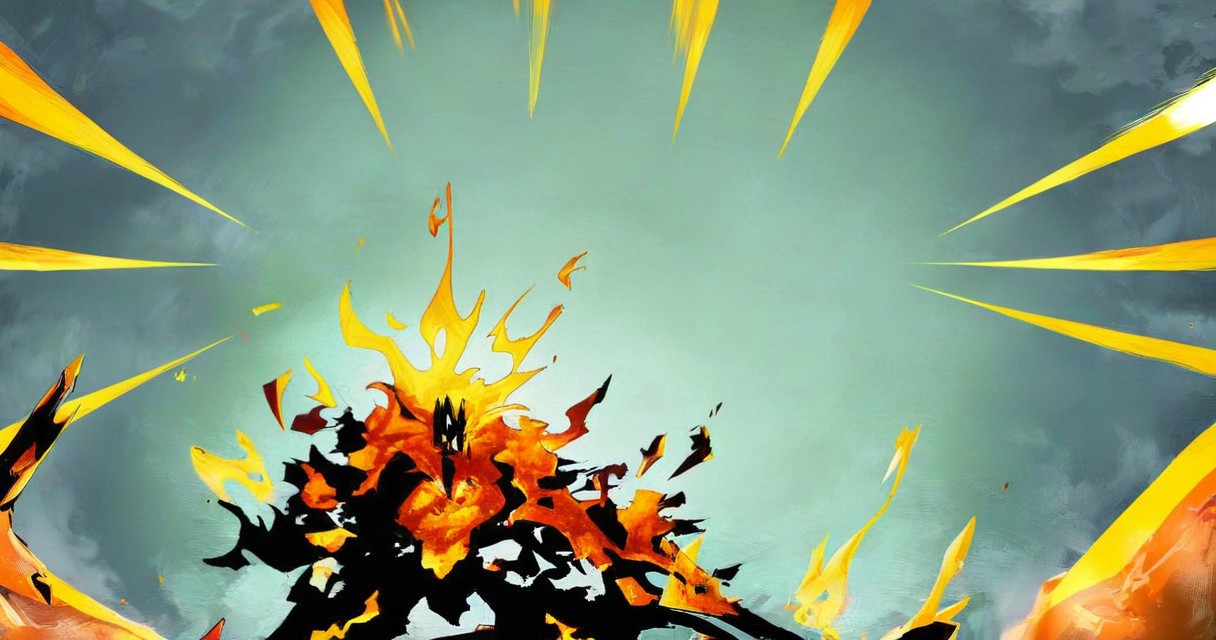
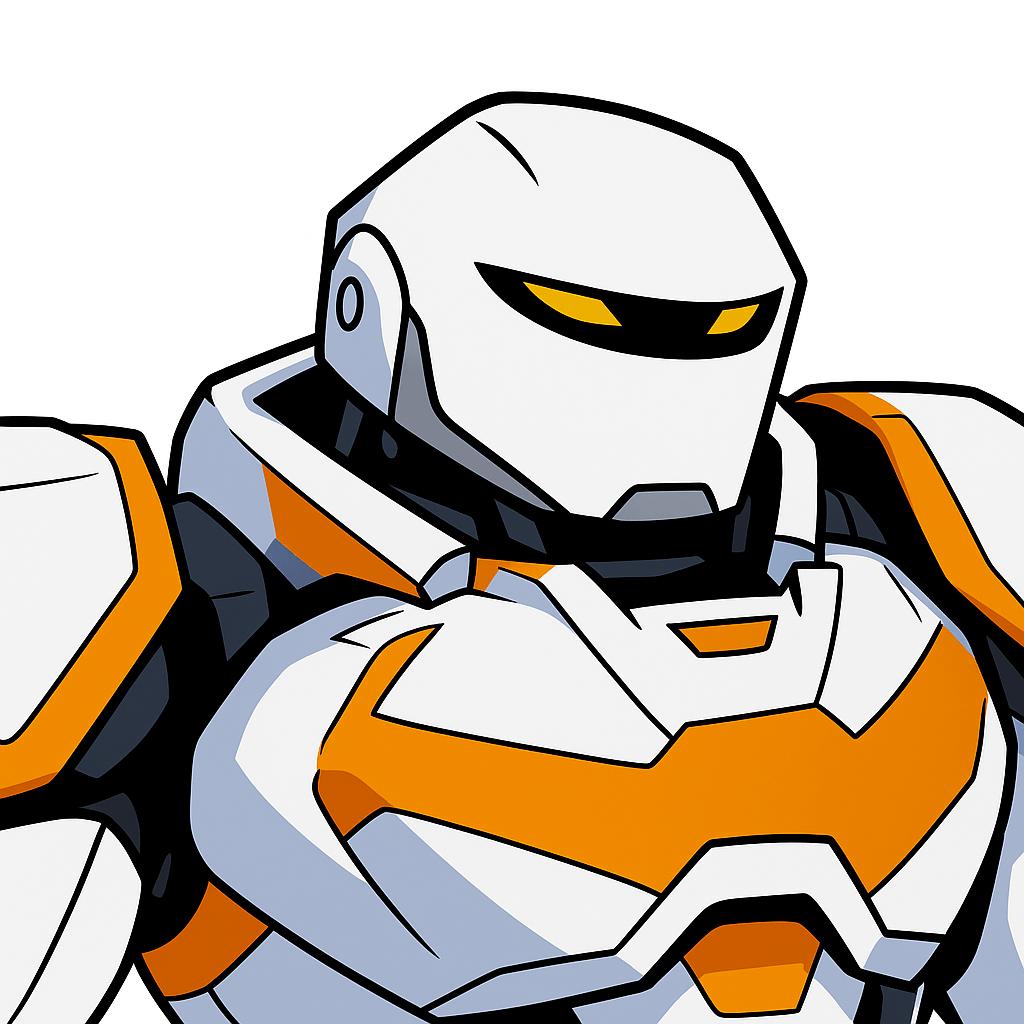
Every winning team in Fracture Zone needs someone who decides where the fight happens. That job belongs to Ashfall, the Ember Juggernaut and the Control pillar of the launch roster. Fueled by ancient ember sprites, Ashfall is a fire-forged frontline breaker who absorbs punishment, shatters enemy lines, and turns chokepoints into a furnace. If Kyrr ends fights and Eloya keeps the team online, Ashfall is the one who builds the battlefield everyone else fights on. This guide breaks down the kit, the upgrade scaling, and how to play the role in 3v3.
Role identity: “Hold space”
Control’s mantra in Fracture Zone is simple: own space. You anchor objectives, deny angles, and force fights on your team’s terms. Where Damage wins through aim and aggression, Control wins through positioning and tempo — zoning enemies into bad real estate and holding it until your Damage can collapse. Ashfall is the embodiment of that. He is a tank built around three pillars the studio calls out directly: shield-forward durability, explosive strikes, and molten zone pressure. You are not chasing eliminations; you are manufacturing the conditions for them.
The kit, ability by ability
Ashfall’s gear is a toolkit for breaching and denial. Here is what each piece does and, crucially, how it scales as you invest:
| Gear | Base | Scaling per level |
|---|---|---|
| THREATLOCK Control | Range = 12, Arc = 110° | Range +10 |
| Siphon | Cooldown = 120s | -5s |
| EMBRACER | Max Pool = 200 | +50 |
| MeleeZap | Melee HP = 25%, Zap = 5 HP / 4 ticks | Melee HP +2.5%, Zap +1 HP/tick |
| Backplate | 5% | +2.5% |
| DASH | Damage = 150 | +20 damage |
| Smoke | Duration = 18s | Cooldown -1s |
| FireFeet | Damage = 50 | +25 damage |
THREATLOCK Control is your signature space-denial tool — a wide 110° arc with a starting range of 12 that grows fast at +10 per level, letting you blanket a chokepoint or objective lane and make it genuinely dangerous to push through. EMBRACER is your durability engine, a 200-point pool that climbs +50 each level so you can keep soaking damage at the front. DASH and FireFeet are your aggression: DASH opens at 150 damage (+20/level) for closing gaps and breaking lines, while FireFeet starts at a modest 50 but scales hardest of all at +25 per level, rewarding deep investment if you want your molten footprint to actually hurt.
Smoke is pure utility — an 18-second screen whose cooldown drops 1s per level, perfect for blinding a defended angle or covering a contested pickup. Siphon is a heavy 120-second cooldown that comes down 5s per level, so leveling it meaningfully changes how often you get your big moment. Backplate and MeleeZap round out the survivability profile, with MeleeZap turning close-quarters brawls into a slow bleed in your favor.
Weapon track: control before damage
Ashfall’s weapon upgrades reinforce that he’s a Control hero first. Instead of a pure damage curve, his track is about disruption:
| Weapon | Base | Scaling per level |
|---|---|---|
| SLOW | Duration = 1s | +0.5s |
| STEAL | 50% | +5% |
SLOW starts at a single second but every level adds another half-second, and in a 3v3 a one-and-a-half or two-second slow on the enemy Damage is often the entire teamfight — they can’t reposition, your Kyrr collapses, and the trade is yours. STEAL opens at 50% and climbs +5% per level, letting you punch above your weight in sustained brawls. Notice what’s not here: a raw burst-damage stat. Ashfall isn’t meant to delete people. He’s meant to make them stuck, vulnerable, and out of position.
Playing the Ember Juggernaut in 3v3

Because Fracture Zone is built on tight 3v3 teamfights where every cooldown is readable, Ashfall’s value is positional, not statistical. A few principles:
- Lead with THREATLOCK, not with your face. Establish the denial zone before you commit. Your job is to make the enemy fight where you want, then walk in behind your own pressure.
- Treat DASH as a line-breaker, not an escape. Its 150+ damage and gap-close is best spent splitting a grouped enemy team or peeling for Eloya — not for retreating.
- Bank Smoke for objectives. In Crucible’s Crown Carry and Energy Trion Capture, an 18-second smoke over the point can buy the rotation that wins the round.
- Time SLOW with your Damage’s burst. A slowed target is a dead target when Kyrr collapses. Your slow is the setup; their pick is the payoff.
Upgrade priorities
If you’re investing levels, think about the role first. For frontline anchoring, prioritize EMBRACER (more pool = more time owning the choke) and THREATLOCK Control (range that quickly outgrows enemy spacing). For a more aggressive denial build, push FireFeet — its +25/level is the steepest scaling in the kit — alongside SLOW on the weapon track to lock down targets longer. Don’t sleep on the Global Skills either: Shield HP starts at 500 and adds +20 per level, Resilience adds +15 HP per level, and Melee Arc widens your brawling reach by +10° per level — all of which compound Ashfall’s natural tankiness.
Why Ashfall matters to the meta
Fracture Zone’s launch roster (v1.3.4.1, January 26, 2026) is deliberately small — one hero per role, a foundation built for clean combat reads and clear jobs. That makes Ashfall non-negotiable: in role-locked 3v3, he’s currently the entire Control slot, the only answer to “who owns space on our team?” Learning him isn’t optional flavor; it’s learning a third of the game. Master the molten zone, time your slows, and you become the player who decides where every fight is won.
Fracture Zone is free-to-play on the App Store and Google Play, with US servers at launch. If you’ve been playing Damage and losing fights you should’ve won, try anchoring instead — the Ember Juggernaut might be the role you didn’t know you needed.
Leave a Reply
You must be logged in to post a comment.